
Intertraffic 2026: What We Saw in Amsterdam – and Why It Matters for Asia-Europe Trade
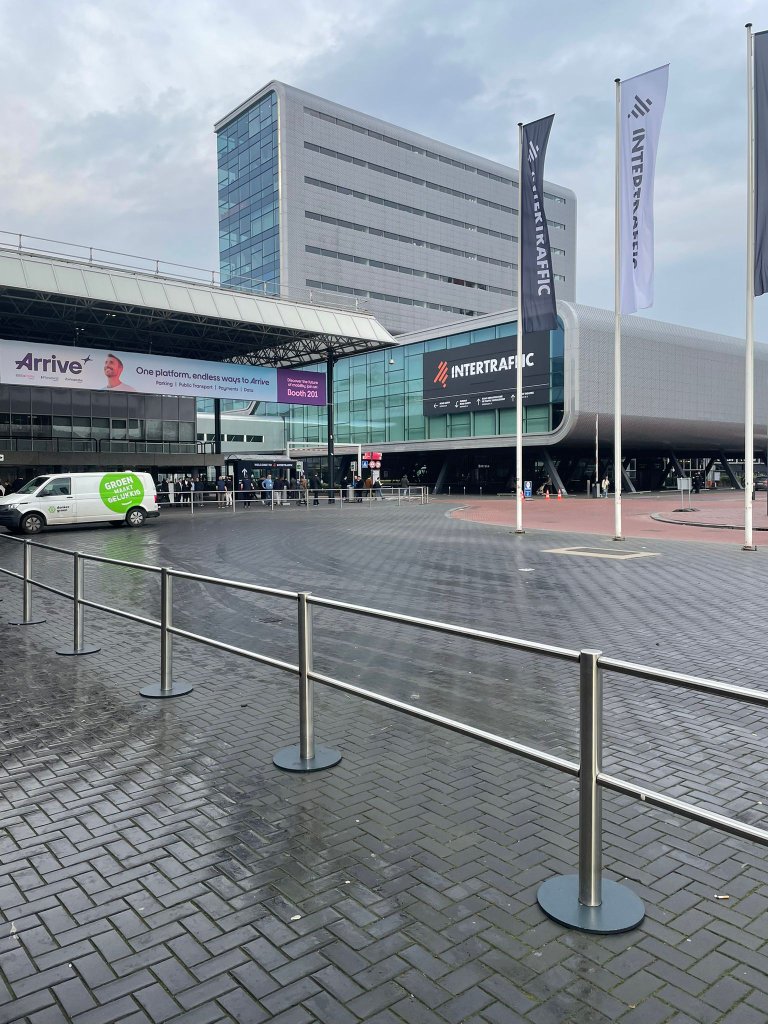
A Field Report from Intertraffic 2026, Amsterdam
Intertraffic 2026 confirmed what many in the mobility sector have been anticipating: the convergence of data, embedded systems, and intelligent infrastructure is no longer a future scenario — it is happening now, at scale.
Attending on behalf of DFI, one of Europe's leading innovators in traffic display and embedded mobility systems, gave us a privileged vantage point to observe where the industry is heading and what it means for companies operating across Asia and Europe.
Key Themes from the Show Floor
1. Data is the New Infrastructure
Sensors, cameras, V2X communication modules, and real-time analytics platforms dominated the exhibition. Cities are no longer investing in roads alone — they are investing in the data layers that sit on top of them. Traffic prediction, incident detection, and dynamic routing are now expected capabilities, not differentiators.
2. Embedded Intelligence is Moving Downstream
What was once reserved for tier-1 suppliers is now being integrated at the component level. DFI's presence at Intertraffic underscores how embedded display and control systems are becoming a core part of smart infrastructure — from variable message signs to edge-computing nodes at intersections.
3. European Procurement is Accelerating
Post-pandemic infrastructure spending, combined with EU Green Deal commitments, is driving significant procurement across transport and urban mobility. This creates a clear opening for Asian manufacturers with competitive pricing and scalable production capacity.
4. Sustainability as a Market Entry Requirement
Low-emission zones, EV charging integration, and energy-efficient signal systems were recurring themes. Any product entering European transport markets must now demonstrate environmental compliance from day one.
The Asia-Europe Opportunity
For Asian companies — particularly in the embedded electronics, sensors, and display manufacturing space — Intertraffic 2026 signals a clear window of opportunity. European integrators are actively looking for reliable, cost-competitive supply chain partners who understand both technical standards and regulatory requirements.
For European companies, the show reinforced the need to scale manufacturing and localize components efficiently. Asian partnerships offer both — if navigated correctly.
#Intertraffic #Smart Mobility #Embedded Systems #DFI #Traffic Management #Infrastructure #Amsterdam
Context
Bridge On attended Intertraffic 2026 in Amsterdam alongside DFI, one of Europe's key players in embedded mobility display systems. This insight shares direct observations from the show floor and their implications for Asia-Europe trade corridors.
Key Challenges
- Navigating EU regulatory and certification requirements for traffic and mobility products.
- Aligning Asian manufacturing timelines with European procurement cycles.
- Managing data privacy compliance across different jurisdictions (GDPR vs. Asian frameworks).
- Building trust with European public sector buyers unfamiliar with Asian supply chains.
Opportunities
- Growing European demand for embedded display and sensor systems in smart infrastructure.
- Strong procurement pipeline driven by EU infrastructure funding and Green Deal commitments.
- Asian manufacturers can offer competitive pricing for components currently sourced from costly European suppliers.
- Partnership with established players like DFI as a gateway into European transport markets.
Bridge On Perspective
Intertraffic 2026 was not just a trade show — it was a signal. The embedded intelligence and data infrastructure that European cities are deploying at scale require supply chains that can deliver quality, volume, and compliance. Asian manufacturers who understand this and adapt accordingly will find a genuinely open door. Bridge On's role is to make sure the right companies on both sides find each other — and that the partnership is built to last.